A catalyst is a substance used to increase the rate of a chemical reaction. Catalysts are not consumed, unlike chemical reactants. Biocatalysis is the use of living systems or their parts, primarily enzymes, to catalyze reactions. Enzymes are proteins normally produced by cells in nature. Biocatalytic processes can either use commercially available enzymes or enzymes made using protein engineering, which is the alteration of proteins for a desired functional property. Using protein engineering, scientists can further adapt an enzyme to our specific needs.
Biocatalysis and Its Benefits
What is Biocatalysis?
Benefits of enzymes

How enzymes work
Molecules reactant by coming into contact with each other and achieving a minimum amount of energy required for the reaction to occur. Enzymes speed up reactions by having "binding pockets" (also called the active site) that hold the chemical reactant(s) (also called the substrate) together and lower the energy required for reaction.
Example: Sucrase
Sucrase is a digestive enzyme that breaks down sucrase, a natural sugar, into its two building blocks, glucose and fructose.

Question: How do we make new enzymes?
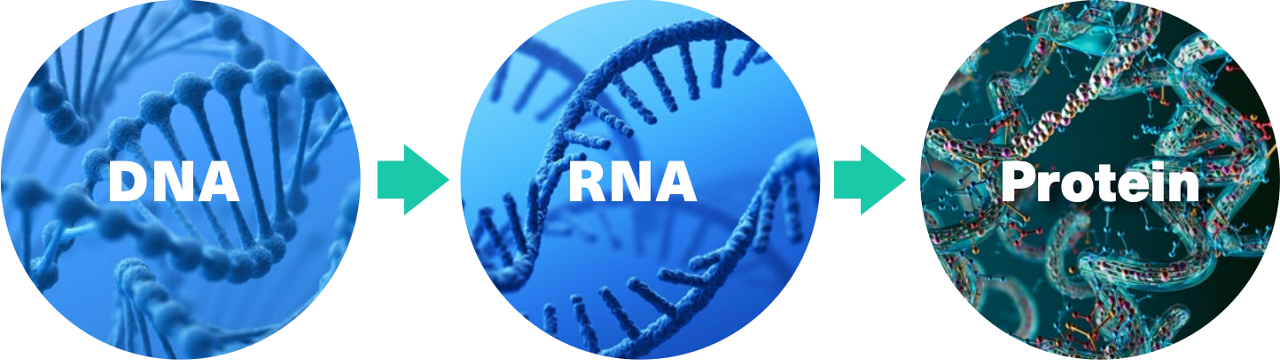
Answer: Protein engineering! The instructions for making proteins are encoded through DNA. This is called the Central Dogma of Biology. By changing a cell’s DNA, we can change what proteins (and therefore enzymes) it makes!
Biocatalysis at AbbVie
Biocatalysis is still an emerging technology. As is the case with a lot of molecular biology (and in pharmaceutical development), the probability of success is not always high. However, the potential impact of these projects is huge! As our enzyme libraries grow and we continue to build expertise on past work, the potential applications of biocatalysis at AbbVie will also grow!