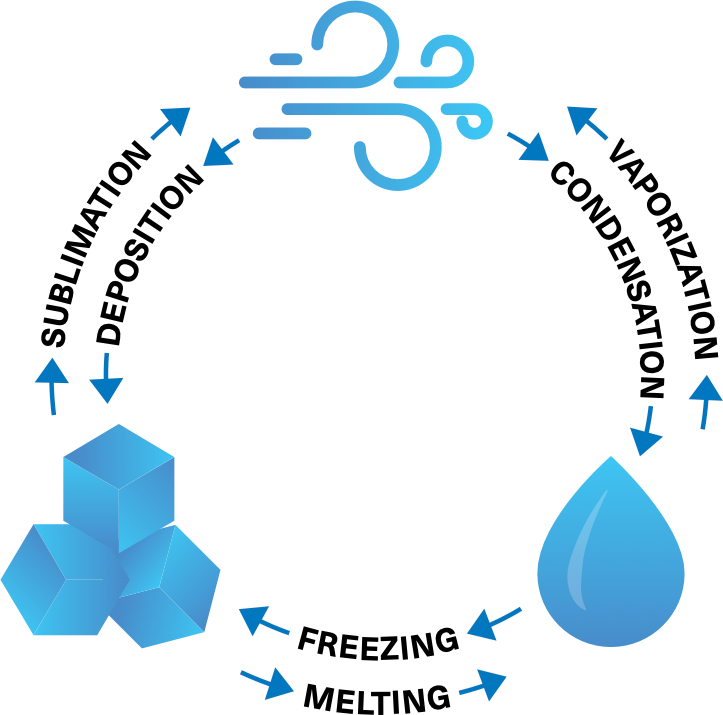
At some point in our lives, we have learned about the three phases of matter: Solid, Liquid, Gas. AbbVie’s manufacturing processes involve all three phases of matter; sometimes in the same process! On top of that, by manipulating the environment substances are in, we can take advantage of phase change. This is a fundamental aspect to many unit operations within a plant and having an effective understanding is key to implementing successful processes! There are multiple phase changes, however, we will focus on vaporization for this volume.
Drying: Is It Hot In Here?
Changing Phases
Vaporization
Vaporization is the transition from a liquid to a vapor (gas). This is the same phenomena that occurs when you boil water – you’re vaporizing the water! But what is really going on?
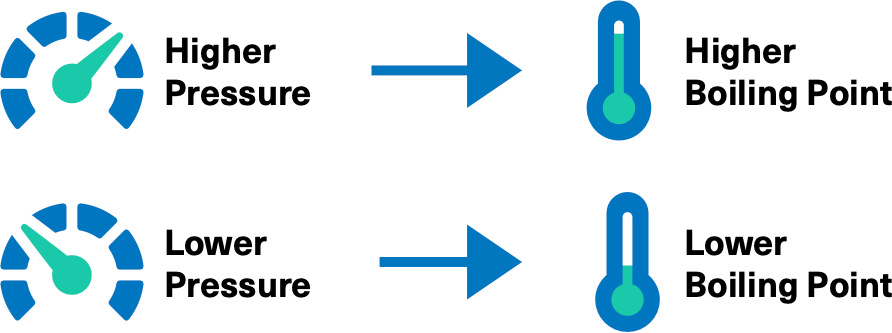
There are two primary attributes that dictate how vaporization can occur: temperature and pressure.
The temperature at which a substance starts to boil is known as its boiling point. However, the pressure of the environment directly affects this:
Evaporation vs Boiling
Evaporation and Boiling are two terms often used interchangeably; however, they are different!
- Boiling is on the macro/bulk scale—the entire volume reaches the boiling point and begins vaporizing.
- Evaporation is on the micro scale—only occurs on the surface. This is when single molecules have enough energy to transition into a vapor.
Evaporation is related to vapor pressure—related to the amount of a substance that can vaporize at a given temperature. Due to this, substances can vaporize at temperatures lower than their boiling point. This is why puddles of water eventually disappear without visibly boiling!
Drying in Manufacturing
In most API manufacturing processes, the final step is to dry the product. A wet cake (solids that are laden with solvent – either water or another chemical) is placed inside a dryer and over time the residual solvents vaporize and leave the solids. This is identical to what happens when you put your wet laundry in the dryer. The residual water is vaporized, drying your clothes!
Main Drying Parameters We Manipulate

Temperature
As we read on the previous slide, increasing the temperature helps reach the point where vaporization occurs.

Pressure
By lowering the pressure (pulling vacuum) in the dryer, the temperature required to vaporize solvents lowers.

Agitation
Moving and mixing the solids helps the solvents vaporize and also ensures less solvent is trapped in the solids.
Types of Dryers
Filter Dryer
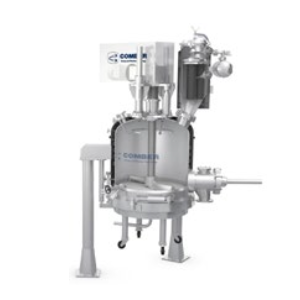
A filter dryer serves two purposes: filtering and drying the solids. The wet cake sits atop a large sieve and once filtered, heat and vacuum are applied to begin drying, usually with an agitator breaking the cake up.
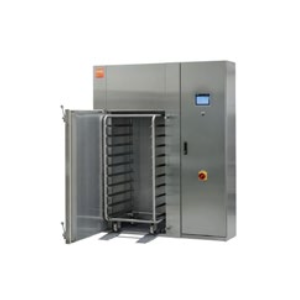
Tray Dryer
A tray dryer is just like your oven at home. The solids are spread out on trays and placed inside a big box. Vacuum and heat are then applied to the box, helping dry the product.
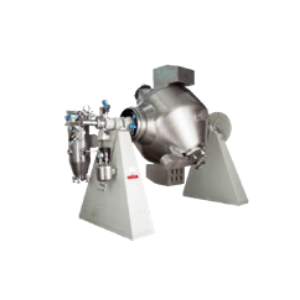
Tumble Dryer
A tumble dryer is very similar to your laundry machine at home. The solids are placed in a rotating chamber that is under vacuum. These dryers can sometimes also be used as tumble blenders. Stay tuned for an FSF on blending!
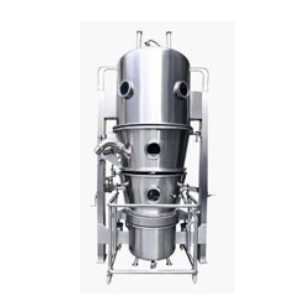
Fluid Bed Dryer
Fluid bed dryers are large chambers that apply vacuum and apply heat through blasting hot air through the solids to send them into the air. This ‘fluidizes’ the bed and dries the solids.